
Million Payroll vs. Million HRM: What’s the Difference?
Running a business these days means juggling a lot, especially when it comes to managing your team. Between handling salaries, tracking leave, keeping employee records, and making sure…

It’s almost payday, and if you’ve ever worked in HR, you know that familiar sinking feeling — spreadsheets scattered across screens, leave applications waiting for approval, attendance records that need reconciling, and staff claims piling up like an endless mountain.
For Aina, an HR executive in a growing Malaysian SME, every month felt like a race against time. Even with her best efforts, mistakes were inevitable, and stress was high. That was until she discovered Million HRM, a user-friendly HR software that promised to make HR processes simpler, faster, and more accurate.
Suddenly, what felt like chaos became manageable, and what was stressful became streamlined.
If you’re running an SME in Malaysia, this story might sound familiar. Many businesses still rely on manual HR processes — spreadsheets, WhatsApp messages, paper claim forms, and email threads. And for a while, it works… until you start growing.
More employees mean:
You don’t just need better spreadsheets. You need a system that organises, automates, and simplifies HR tasks, so your team can focus on people, not paperwork.
THE SOLUTION: The Switch to Million HRM
When Aina’s company implemented Million HRM software, the impact was immediate. The software centralises HR operations, automates repetitive tasks, and integrates seamlessly with payroll.
Here’s what it does:
All employee data — profiles, contracts, documents, and personal information — is stored in one secure system. That means no more digging through folders or chasing employees for missing forms.
Why it matters: Accurate, centralised data keeps everything else in HR running smoothly — payroll, leave tracking, statutory reporting, and claims.
Pro Tip: Encourage employees to update their personal details directly in Million HRM. It saves HR from chasing updates and ensures payroll calculations remain accurate.
With Million HRM, leave applications are simple: employees submit online, managers approve instantly, and leave balances update automatically.
Real-life impact: In Aina’s company, leave approval used to take days. With automation, approvals happen within hours, freeing managers and HR staff to focus on more strategic tasks.
Extra tip: Set up alerts for upcoming leave, so project planning and scheduling are never disrupted.
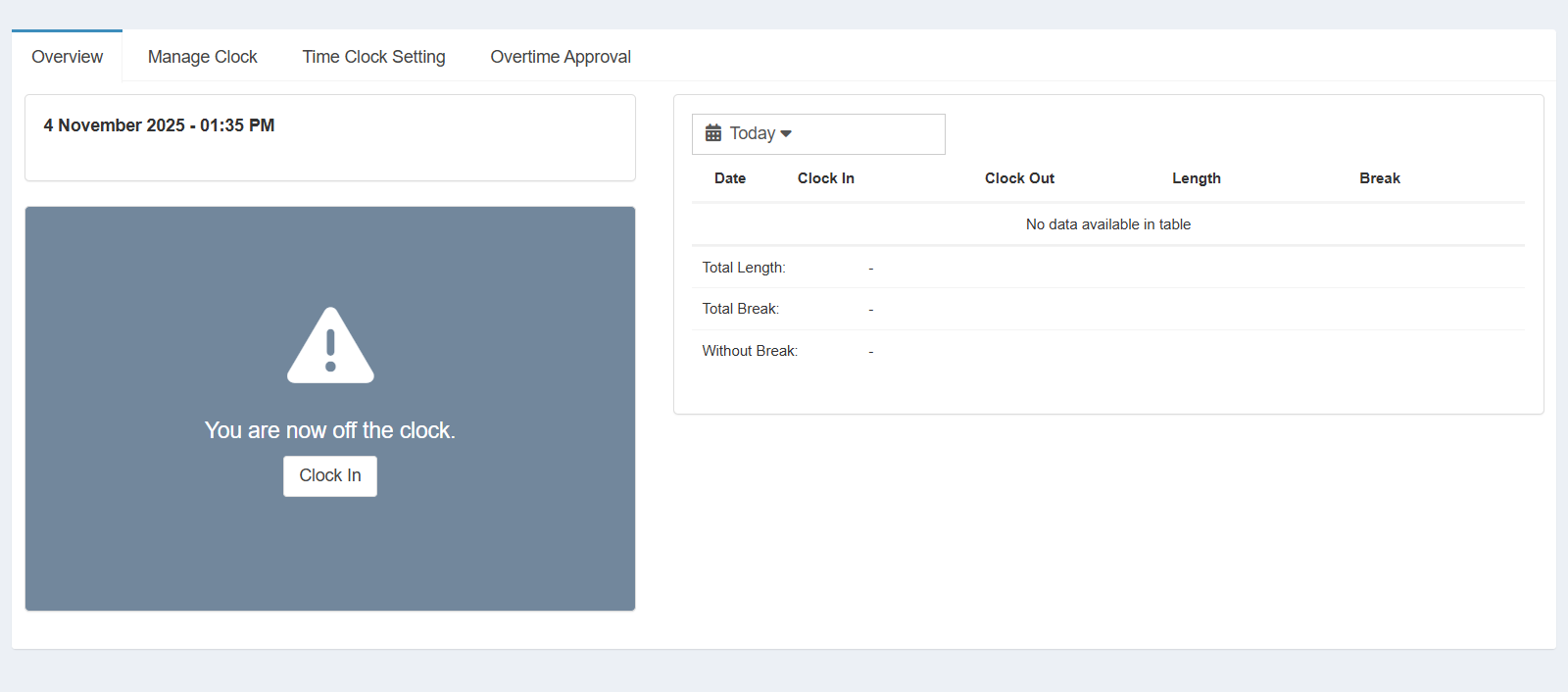
Integration with biometric devices or attendance scanners allows real-time monitoring. No more guesswork, no more manual attendance sheets.
Why this matters: Accurate attendance tracking ensures payroll calculations are correct and makes statutory reporting (EPF, SOCSO, PCB) simple and reliable.
Example: One SME with 50 employees reduced attendance-related payroll errors by over 80% after using Million HRM.
Employee claims — whether for travel, meals, or reimbursements — are processed digitally. Staff submit, managers approve, and HR tracks everything in one system.
Pro Tip: Set clear claim policies and attach digital guidelines in Million HRM. It minimises mistakes and speeds up approvals.
No double entry. No salary errors. Once leave, attendance, and claims are updated in Million HRM, payroll can be processed with complete accuracy.
Result: Less stress during month-end or year-end payroll, and employees get paid correctly, every time.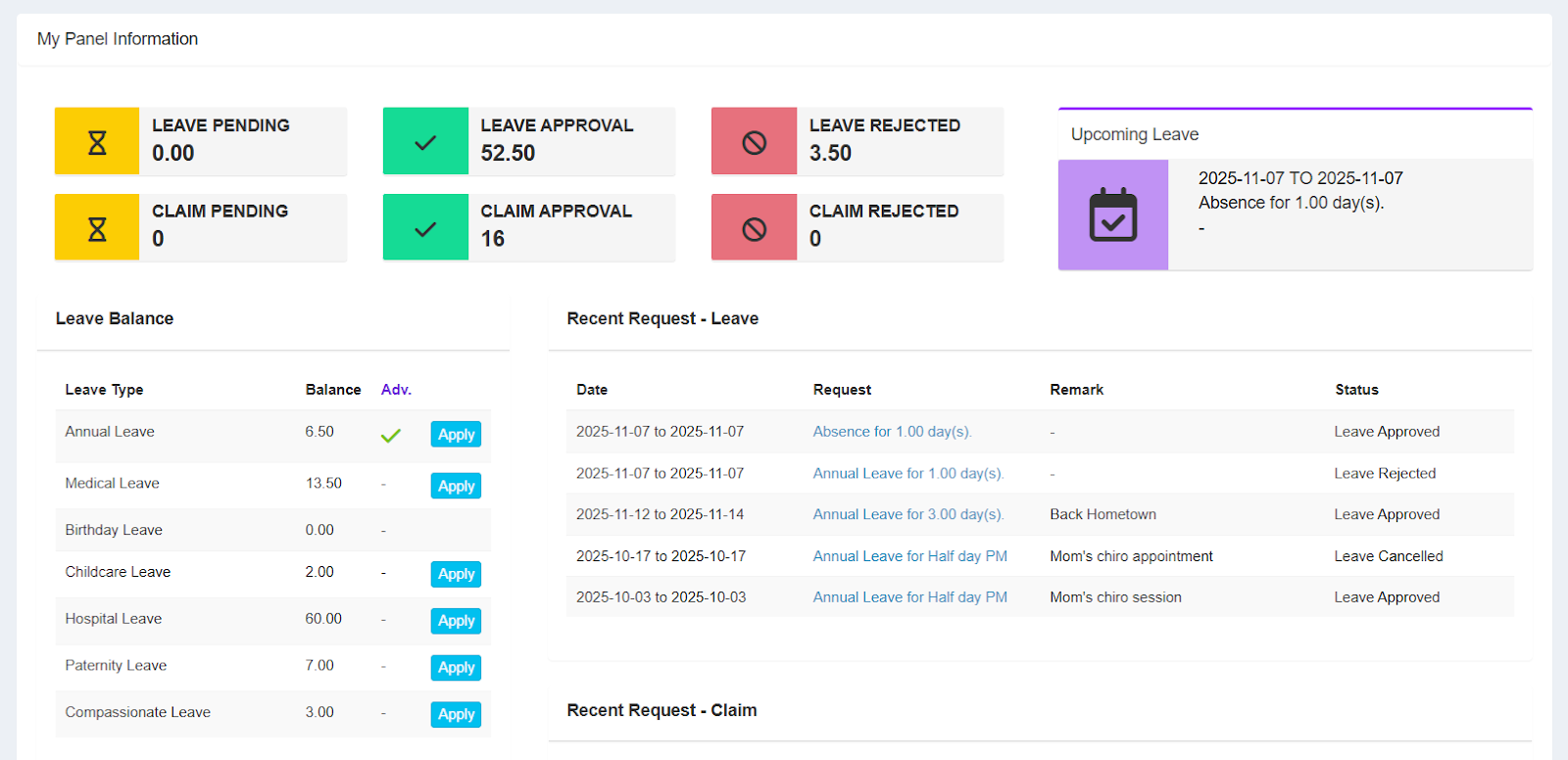
Running an HR department manually can feel like spinning plates — there’s always something about to fall. Leave approvals, attendance tracking, claims, payroll calculations, and statutory compliance… it can quickly overwhelm even the most organised HR team.
That’s why digital HR transformation is a necessity, especially for SMEs that are growing and need to scale operations without adding extra staff.
Here’s why adopting a digital HR system like Million’s HRM makes a tangible difference:
Automating repetitive HR tasks saves hours — or even days — each month. Instead of manually entering leave balances, reconciling attendance, or tracking claims, HR staff can focus on strategic work like employee engagement, talent development, and policy planning.
Example: A 50-employee SME using spreadsheets spent two full days every month reconciling leave records. After implementing Million HRM, approvals and balances were updated automatically, freeing HR staff to work on retention programs and staff development.
Human error is inevitable, especially when juggling large amounts of employee data. Incorrect leave balances, payroll discrepancies, or miscalculated statutory contributions can lead to unhappy employees and compliance issues.
Million HRM minimises mistakes by automating calculations and integrating directly with payroll, ensuring that salaries, claims, and statutory contributions are accurate every time.
EPF, SOCSO, EIS, PCB, and LHDN reporting are critical for Malaysian businesses, and errors can result in penalties. A digital HR system keeps everything accurate and ready for reporting, with up-to-date statutory rates and easy-to-generate reports for audits.
Pro Tip: Run reports monthly, not just at year-end, to catch issues early. This helps avoid last-minute panic and ensures smooth submissions.
Employees appreciate transparency and convenience. With Million HRM, staff can:
Empowered employees reduce HR queries and increase engagement, because they know they can manage their own information without waiting for approvals.
Growth is exciting, but it also brings administrative challenges. HR processes that worked for 20 employees can break down with 50 or 100 staff. With a digital HR system, processes scale automatically.
Example: A 100-employee SME implemented Million HRM and expanded operations without hiring extra HR staff. Tasks that once required a team of three could now be managed efficiently by just one HR officer.
Even businesses trying to stay organised often face recurring problems. Here’s how a system like Million HRM tackles them:
Pro Tip: Encourage your HR team to review reports regularly, not just at year-end. Spotting trends early, like repeated absenteeism or incorrect claims, helps prevent bigger issues later.
Building a Smarter Workplace
Implementing a digital HR system is about creating a smarter workplace where decisions are data-driven and staff feel supported.
Example: HR managers can now see which departments consistently exceed overtime limits or where leave is frequently unbalanced, allowing management to adjust staffing or workload proactively.
Pro Tip: Treat HR software as a long-term investment. The goal isn’t just to digitise but also to transform how your HR team adds value to the business.
Aina’s story shows that the right HR software doesn’t just save time — it transforms the way businesses manage people.
With Million HRM, Malaysian SMEs can:
HR chaos can become clarity. Administrative stress can become a strategic focus. And manual chaos can become automated efficiency.
Contact Rockbell Software today to see how Million HRM can simplify your HR operations and build a smarter, more productive workplace.
Book a free demo with our local team. We'll call you back within the same working day.
Request Free DemoRunning a business these days means juggling a lot, especially when it comes to managing your team. Between handling salaries, tracking leave, keeping employee records, and making sure…
Running a small or medium-sized enterprise (SME) in Malaysia is no walk in the park. Business owners are constantly balancing tight budgets, limited manpower, and increasing demands for…
In business, staying ahead means embracing the latest technologies that can make our lives easier and our operations more efficient. One such innovation is cloud-based time and attendance…